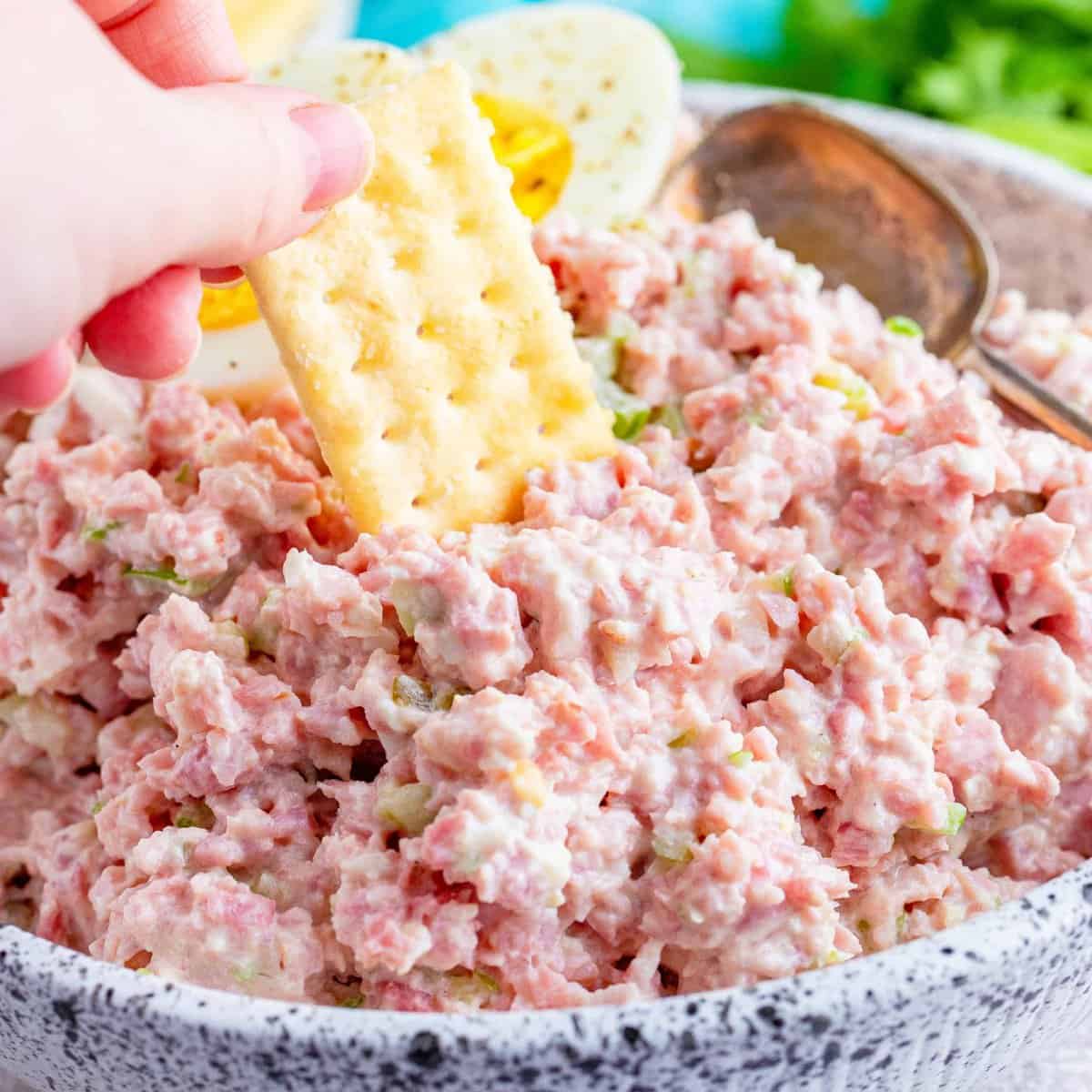
Perfect Ham Salad: Your Guide to Best Ham Types, Key Ingredients & Storage Tips
Easter feasts, holiday roasts, or even a simple Sunday ham dinner often leave us with delicious leftovers. While enjoying slices of ham directly is always a treat, the real culinary magic begins when you transform those remnants into something entirely new and exciting. Enter the humble yet utterly satisfying ham salad – a retro classic that consistently proves that leftovers can indeed be the star of the show. Forget store-bought deviled ham; a homemade ham salad is a revelation, offering a creamy, tangy, and deeply flavorful experience that is surprisingly simple to whip up.
This versatile dish is not just about using up ham; it's about creating a harmonious blend of textures and tastes. From the savory ham to crisp vegetables, zesty pickles, and a rich, creamy dressing, every spoonful is a testament to its enduring appeal. Whether you're seeking a quick lunch, a crowd-pleasing appetizer, or a creative way to extend your holiday ham's life, mastering the perfect ham salad recipe is a skill worth having.
Crafting the Perfect Ham Salad: Essential Ingredients
The beauty of a truly great ham salad lies in the thoughtful combination of its core components. While simplicity is key, understanding the role each ingredient plays elevates the final product from good to unforgettable.
*
The Ham: The Star of the Show
Naturally, the foundation of your ham salad is the ham itself. You'll need cooked ham, preferably in chunkier pieces rather than thin slices. The goal is a textured salad, not a paste, so the cut of ham makes a significant difference. We'll delve deeper into the best ham types shortly, but for now, remember that its savory, slightly salty profile anchors the entire dish. Most recipes call for about three cups of ground or finely chopped ham.
*
The Creamy Binding: Mayonnaise & Mustard
A rich and creamy dressing is what brings all the ingredients together.
Mayonnaise is the undisputed champion here, providing the smooth, emulsified base. Don't skimp on quality; a good mayonnaise makes a noticeable difference. To cut through the richness and add a delightful piquancy,
Dijon mustard is a non-negotiable addition. Its sharp, tangy notes complement the ham beautifully and add depth of flavor. Some recipes also benefit from a touch of yellow mustard for that classic "deli salad" taste, offering a slightly different, milder tang.
*
The Tangy Zing: Pickles & Relish
This is where the ham salad truly distinguishes itself. Finely chopped dill pickles or a good quality pickle relish provide that essential tangy, briny counterpoint to the rich ham and creamy dressing. The acidity brightens the entire salad, making each bite incredibly refreshing. A splash of pickle juice, often overlooked, can further enhance this tang and slightly thin the dressing to a perfect consistency.
*
Crunch & Freshness: Celery & Onion
Texture is paramount in a ham salad.
Finely chopped celery contributes a much-needed crisp bite and a subtle, fresh flavor that prevents the salad from becoming monotonous. Similarly, a small amount of
finely chopped onion (white or red, depending on your preference for pungency) adds an aromatic layer and a hint of sharpness. If raw onion is too strong for your liking, a quick rinse under cold water can mellow its bite.
*
The Richness Factor: Hard-Boiled Eggs
Many classic ham salad recipes include
chopped hard-boiled eggs, and for good reason. They add a wonderful richness, a soft, creamy texture, and a subtle savory depth that rounds out the flavor profile. Two hard-boiled eggs are typically sufficient for a standard batch, offering that delightful "old-fashioned" touch.
*
Optional Enhancements for Bold Flavor
While the core ingredients create a stellar ham salad, don't hesitate to personalize it. A dash of hot sauce (like Tabasco or a similar cayenne-based sauce) can introduce a welcome hint of heat. Fresh herbs such as finely chopped dill or parsley add vibrancy and an extra layer of freshness. For those who enjoy a bit more sweetness, a touch of sweet relish or even a finely diced apple can be a delightful addition, though purists often stick to dill.
Choosing the Right Ham for Your Salad
The quality and type of ham you use are critical to the success of your ham salad. Not all hams are created equal when it comes to this particular application.
What Kind of Ham Works Best?
Almost any type of *cooked* ham can be a fantastic candidate. This includes:
*
Glazed Ham: Often a holiday centerpiece, the remnants of a glazed ham bring a wonderful sweet and savory complexity to the salad.
*
Roasted Ham: Simple and savory, roasted ham offers a clean, classic ham flavor that pairs perfectly with the other ingredients.
*
Smoked Ham: For a deeper, more robust flavor profile, smoked ham adds an irresistible smoky note to your salad.
*
Slow-Cooked Ham: Tender and flavorful, ham cooked low and slow provides excellent texture and taste.
The key across all these types is that they should be
chunkier pieces. When processed or chopped, these pieces will retain some texture, contributing to a delightful mouthfeel in the finished salad. Aim for pieces roughly 1-2 inches in size before you start chopping or processing.
Hams to Avoid
Just as important as knowing what to use, is understanding what to steer clear of:
*
Ultra-Thin Deli Slices: While convenient for sandwiches, these slices are too thin for ham salad. When processed, they break down excessively, resulting in a pasty texture rather than a pleasant, chunky one. Save these for your next deli sandwich.
*
Country Ham: Known for its intense saltiness and often dry texture, country ham is simply too overpowering and salty for ham salad. Its robust flavor is best appreciated in other preparations, such as thinly sliced and pan-fried, not in a creamy salad where it would dominate and potentially make the dish unpalatable.
*
Heavily Processed Ham Products: While some pre-packaged diced hams might seem convenient, they often lack the depth of flavor and texture you get from using actual leftover roast ham. Opt for whole muscle ham whenever possible.
Pro Tip: When preparing your ham, trim off any excessive fat or gristle. This ensures a cleaner, more enjoyable texture in your salad. Chilling cooked ham thoroughly before chopping or processing can also make the task easier and yield more uniform pieces.
Mastering the Ham Salad Method: Step-by-Step Preparation & Pro Tips
Making ham salad is incredibly straightforward, often taking less than 20 minutes once you have your ingredients ready.
1.
Prepare the Ham: If you're using leftover ham, ensure it's cooled. Cut the ham into 1-inch chunks. For a finer texture, pulse the ham in a food processor until it's finely ground but not pureed into a paste. Work in batches if necessary. If you prefer a chunkier salad, simply dice the ham finely by hand.
2.
Hard-Boil the Eggs: If you haven't already, hard-boil your eggs. Once cooked and cooled, peel and chop them into small pieces.
3.
Chop Your Veggies: Finely chop the celery and onion. The smaller the dice, the better they integrate into the salad.
4.
Combine Wet Ingredients: In a medium-sized bowl, whisk together the mayonnaise, Dijon mustard, pickle relish (or chopped pickles), and a splash of pickle juice.
5.
Mix Everything Together: Add the ground or finely diced ham, chopped hard-boiled eggs, celery, and onion to the bowl with the dressing. Gently fold all the ingredients together until thoroughly combined.
6.
Season and Chill: Taste the ham salad and adjust seasonings as needed. You might want a pinch more salt (depending on your ham's saltiness), a grind of black pepper, or another dash of hot sauce. For optimal flavor, cover the bowl and refrigerate the ham salad for at least 30 minutes to allow the flavors to meld and chill properly. This is a crucial step for the best taste.
For an even deeper dive into the preparation, consider checking out our article:
Easy Ham Salad: Transform Leftover Ham into a Creamy Classic.
Creative Ways to Enjoy & Keep Your Ham Salad Fresh
One of ham salad's greatest assets is its versatility. It transitions effortlessly from a casual lunch to an elegant appetizer.
Serving Suggestions
*
Classic Sandwiches: Pile it high between two slices of your favorite bread – white, whole wheat, or rye all work beautifully. Add a slice of cheese or crisp lettuce for extra texture.
*
Cracker Topper: Serve it alongside an assortment of crackers for a quick and satisfying snack or a retro appetizer.
*
Lettuce Wraps: For a lighter, low-carb option, scoop ham salad into crisp lettuce leaves (butter lettuce, romaine, or endive are great choices).
*
Stuffed Vegetables: Hollow out tomatoes, bell peppers, or even avocado halves and fill them with ham salad for an attractive and delicious presentation.
*
Deviled Egg Twist: Use ham salad as a delicious filling for deviled eggs, a clever way to repurpose two classics.
*
Pita Pockets or Wraps: Stuff ham salad into pita bread or spread it onto tortillas for a portable meal.
Explore more innovative serving ideas in our related article:
Old-Fashioned Ham Salad: Versatile Ways to Serve This Retro Favorite.
Storage Tips for Maximum Freshness
Proper storage is crucial to ensure your ham salad remains safe and delicious.
*
Refrigeration is Key: Always store ham salad in an
airtight container in the refrigerator. This prevents spoilage and keeps it fresh.
*
How Long Does it Last? When stored correctly, homemade ham salad typically stays fresh for up to
four days in the refrigerator. However, it's vital to consider the freshness of your initial cooked ham. Cooked ham is generally good for up to five days on its own. If your ham was already three days old before making the salad, you should aim to consume the ham salad within two days. Always use your best judgment – if it smells off or looks discolored, it's best to discard it.
*
Freezing is Not Recommended: We strongly advise against freezing ham salad. The primary reason is that mayonnaise, being an emulsion, tends to separate during the freezing and thawing process. This results in a watery, unappetizing texture that significantly diminishes the salad's quality. The vegetables (celery, onion) also tend to lose their crispness and become limp. If you anticipate having a large amount of leftover ham and want to preserve it, it's better to freeze the cooked ham in chunks separately and then make a fresh batch of ham salad later.
By following these storage guidelines, you can safely enjoy your delicious ham salad for days, ensuring no delicious ham goes to waste.
Conclusion
From transforming holiday remnants into a culinary delight to serving as a quick, satisfying meal any day of the week, ham salad truly earns its place as a cherished classic. By selecting the best types of ham, understanding the interplay of key ingredients, and following simple preparation and storage tips, you can create a perfect batch every time. This creamy, tangy, and flavorful dish is a testament to the fact that with a little creativity, leftovers can be just as exciting, if not more so, than the original meal. So, next time you find yourself with extra ham, embrace the tradition and whip up a batch of this irresistible old-fashioned favorite.